The Hard Part of AI Is Keeping Track of It
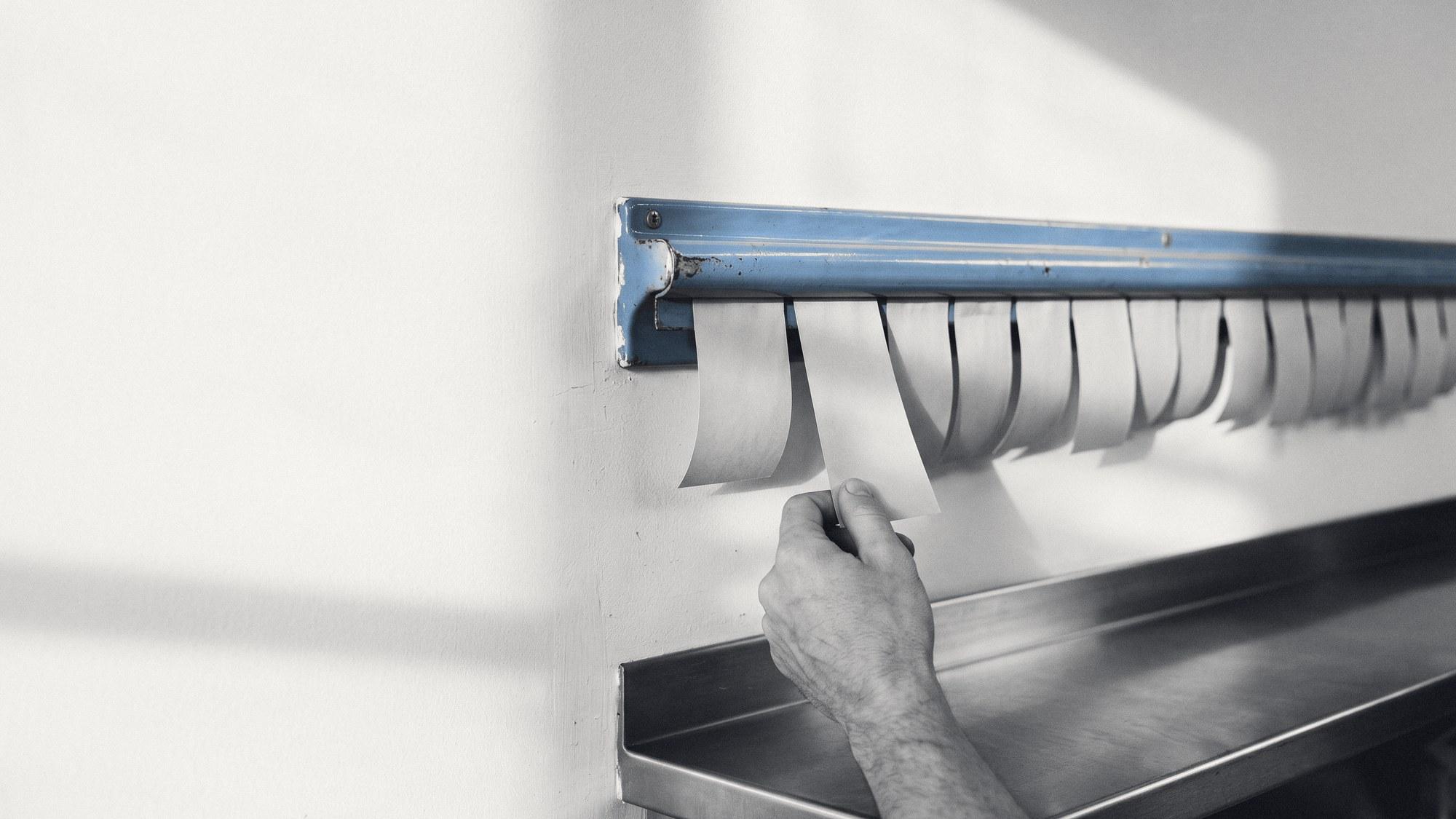
The hardest part of working with AI right now is keeping track of everything I asked it to do.
The models are good enough. The reality is I run more work through AI than I can hold in my head. A dozen open chats. Long tasks running in the background. Scheduled jobs that report in every morning. Each one is something I started and have to remember to come back to.
That's human context switching, and it's the bottleneck. The platforms are experimenting their way toward a fix, and you can watch it happen in four steps.
Chat: I was the memory
Chat was one window and one question. It worked because I did the coordinating. I remembered which chat had the research, which had the draft and which one I left halfway. Open twenty chats in a week and the AI stops being the slow part. I am.
Cowork: the work ran without me
Cowork launched in January and let Claude do knowledge work on its own. Build the file. Run the steps. Come back when it's done. I moved most of my work there because it was simpler.
It fixed where the work runs. It left me keeping track. Every task was its own session, so I opened each one to see what finished and what was stuck. More work got done, and I had more places to check.
Duet and Dots: one front door
This fall brought the proactive assistants. OpenAI launched Dots. Anthropic opened a research preview of Claude Duet in October. You message it like a person, it briefs you in the morning and it tells you what needs you.
I barely opened Duet in my first week. My real work lives in Claude projects, each with its own context, skills and history. Duet could read those projects. It couldn't run work inside them. A front door to my day only helps if it opens into the rooms where the work happens.
Project Coordinator: one conversation per project
The Project Coordinator beta is the first one that really helps reduce the cognitive load from context switching. Each project becomes one long conversation. I talk to it, and it decides what turns into a separate thread. It runs those threads in parallel and keeps track of every one it started. I read what each thread reports back. The step-by-step stays in the thread.
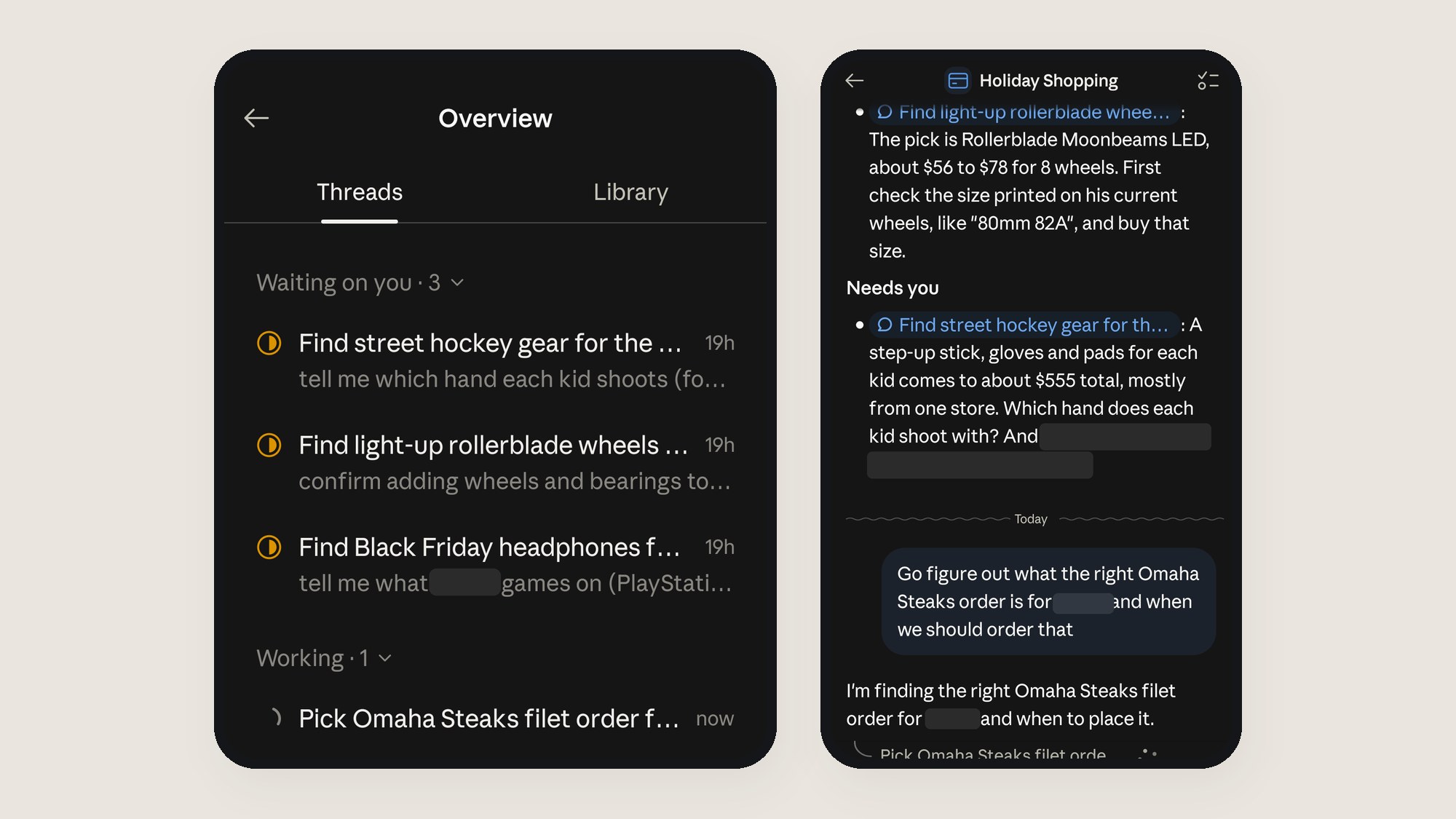
I set up a Holiday Shopping project to test it. This morning I asked it to find the right Omaha Steaks order for one of my kids. And when to place it. It spun that into its own thread and went to work. Three earlier threads were already waiting on me. The street hockey thread needs to know which hand each kid shoots with. The rollerblade wheels thread needs me to check a size. The headphones thread needs to know which console my son plays on.
That list is the whole point. The coordinator does the remembering. My thinking about the project stays in one conversation. The parallel work runs in threads I don't have to babysit. Threads share the project's memory and files, so a new one starts with what the earlier ones already decided. When a thread needs a decision, it comes to me.
Same model, new harness
Line the four up and the model is the least interesting part. Three of them run on the same Claude. What changed is the harness. Specifically, who holds the list of open loops.
Chat kept that list in my head. Cowork spread it across sessions. Duet gave it a front door that couldn't reach the work. The coordinator keeps it inside the project, next to the context it needs.
It's early. It's a beta and it's rolling out slowly.
Does this begin to define the paradigm of 2027?